From the blog

Quartz vs. Granite Countertops: An Honest Comparison

By Kitchen Cabinets and Beyond · Published September 23, 2026

Countertops & Surfaces

Quartz vs. granite countertops comes down to one trade: quartz is an engineered surface that its makers say never needs sealing, while granite is a natural stone with patterns no factory can repeat, and it may benefit from sealing. Both are hard, durable worktops, and both want a trivet under a hot pan. Which one is right depends on how your kitchen is used and how much natural variation you want to live with.

Quartz is what most of the worktops we install are made of, and we also supply and install natural stone, including granite, marble and quartzite. So we have no reason to push one over the other. Here is how they compare, with every material fact linked to the manufacturer or stone authority that states it.

What quartz countertops are made of

Quartz countertops are a manufactured product. MSI, which makes the Q Premium line we carry, describes quartz as a man-made product, roughly 93 to 95 percent quartz and 5 to 7 percent resin by weight, with the resin a polymer mix. Because it is manufactured, the color and pattern are the maker’s design rather than the quarry’s.

Because the pattern is designed, quartz is often chosen for a calmer, more predictable look. That does not mean every slab is identical. Cambria’s product care page notes that samples are small cuts from a larger slab and may not show all the design characteristics of the installed product, and that seams are visible. That is one reason we would rather you saw material at full size in the Anaheim showroom than judged it from a chip.

What granite is and how it forms

Granite is a natural stone, quarried and cut into slabs. The Natural Stone Institute’s consumer site explains that granite is a category of rock that forms from liquid magma, and that visually it has distinct flecks of darker colors. Every slab is different, which is the whole appeal for some people and a worry for others.

The same source notes that granite is harder than glass and is not etched by everyday kitchen acids such as lemon juice or vinegar. That separates it from marble, which does etch. The Natural Stone Institute also says that many granites receive a resin treatment at the factory to fill micro-fissures and small natural “birth marks” before the slab is polished.

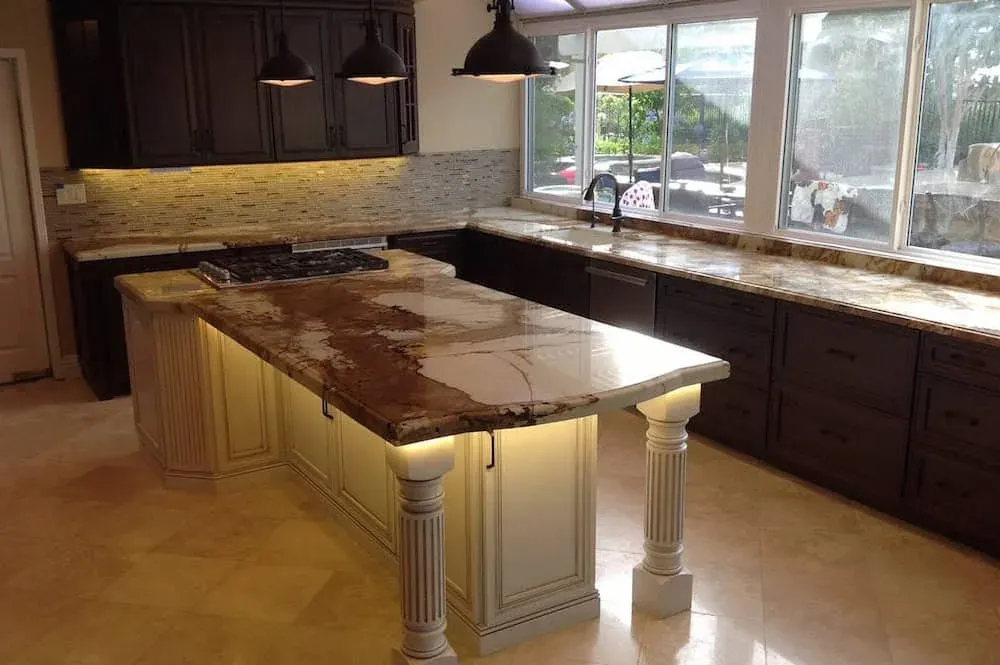
Kitchen island with a polished figured granite countertop on fluted turned legs, under-counter lighting and dark perimeter cabinets
Countertops
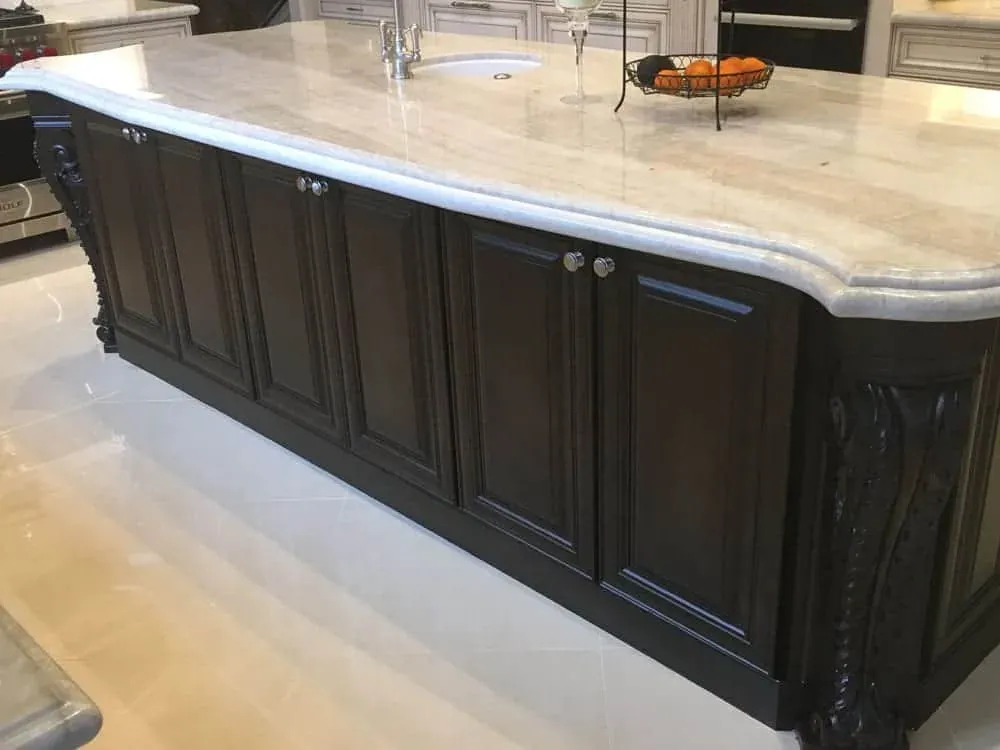
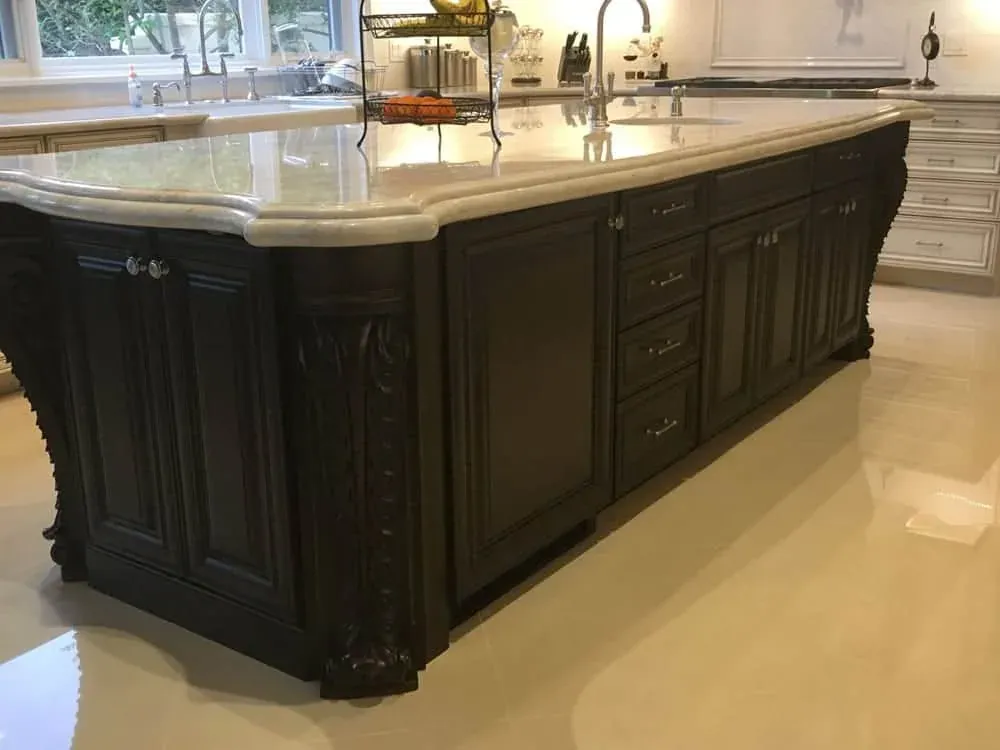
Dark carved island with a thick stone top and an ogee edge
Kitchen island
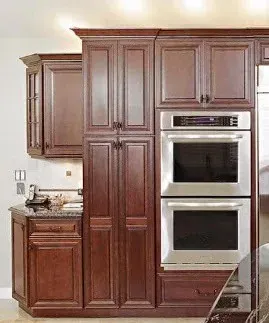
Dark cherry cabinetry with double wall ovens and a granite countertop
Countertops

Quartz vs. granite countertops: sealing and stains

This is the clearest difference between the two.

Quartz. Cambria says its quartz countertops are nonporous and nonabsorbent, never require sealing, polishing or reconditioning, and are stain resistant. In fact Cambria says not to apply any sealers, penetrants or topical treatments at all, because they wear off and dull the gloss. Cosentino says Silestone’s high compaction makes it highly resistant to stains.

Granite. The Natural Stone Institute’s position is more nuanced than “granite must be sealed.” It states that most granite countertops do not need to be sealed, but that in many cases it makes sense to seal marble and granite with a quality sealer, because sealing further reduces moisture moving into an already moisture-resistant surface. Its consumer guide to caring for granite suggests a simple check: put a little hot water on the stone, wipe it off, and if the stone darkens, it is still absorbing moisture and may be due for a penetrating sealer.

If you want a worktop you never have to think about sealing, quartz answers that. If you are happy to check and occasionally reseal, granite is an easy stone to live with.

Heat: use a trivet on both

Neither material should be treated as a hot plate.

  • Cambria says its product is not heat-proof, that sudden or rapid temperature changes near edges or prolonged heat on top can cause damage, and recommends a closed-weave hot pad or solid trivet under pots, pans, slow cookers, air fryers and similar appliances.
  • Cosentino says Silestone is heat-resistant, but that sudden changes in temperature can affect it as they would other stone, so trivets are highly recommended.
  • For granite, the Natural Stone Institute’s consumer site recommends cutting boards, trivets and cooling racks.

The practical answer is the same for both: keep a trivet by the range.

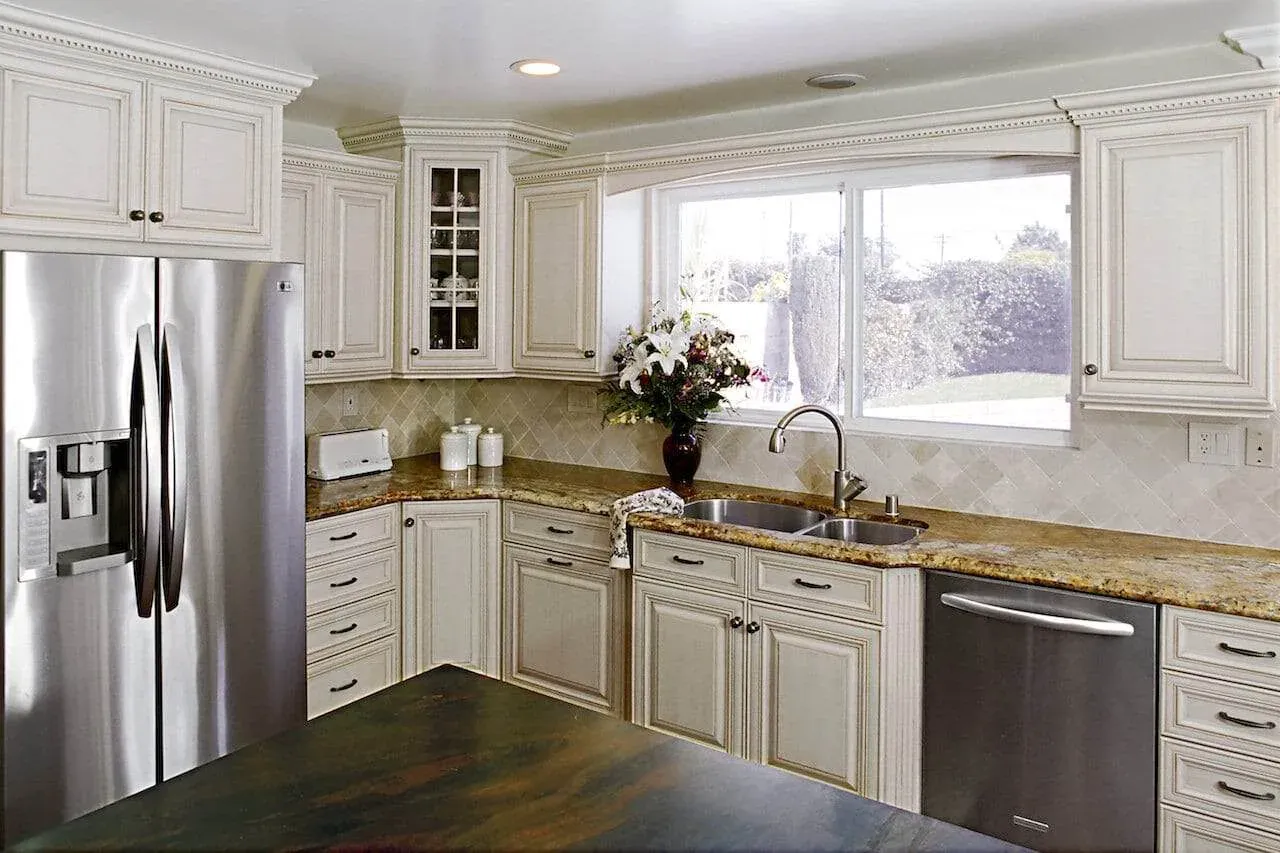
Cream kitchen with a corner window, granite counters and stainless appliances
Countertops
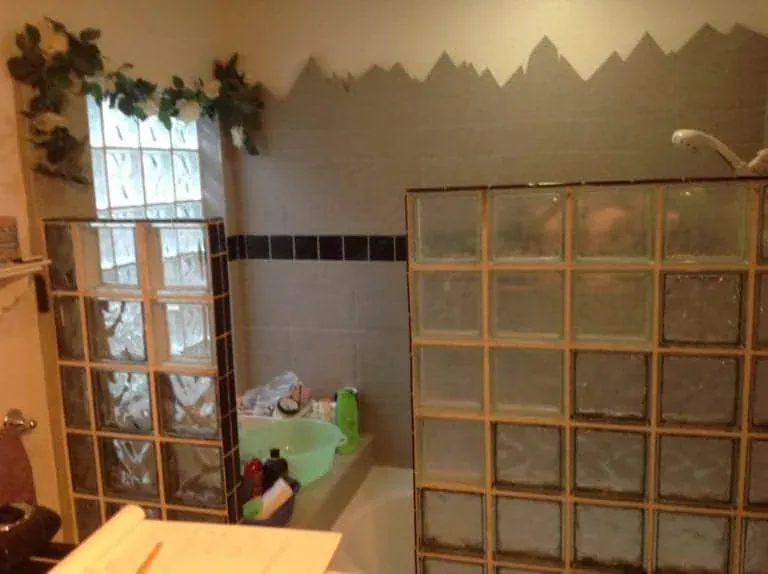
Dated bathroom with glass block, a tiled tub surround and stencilled border
Bathroom
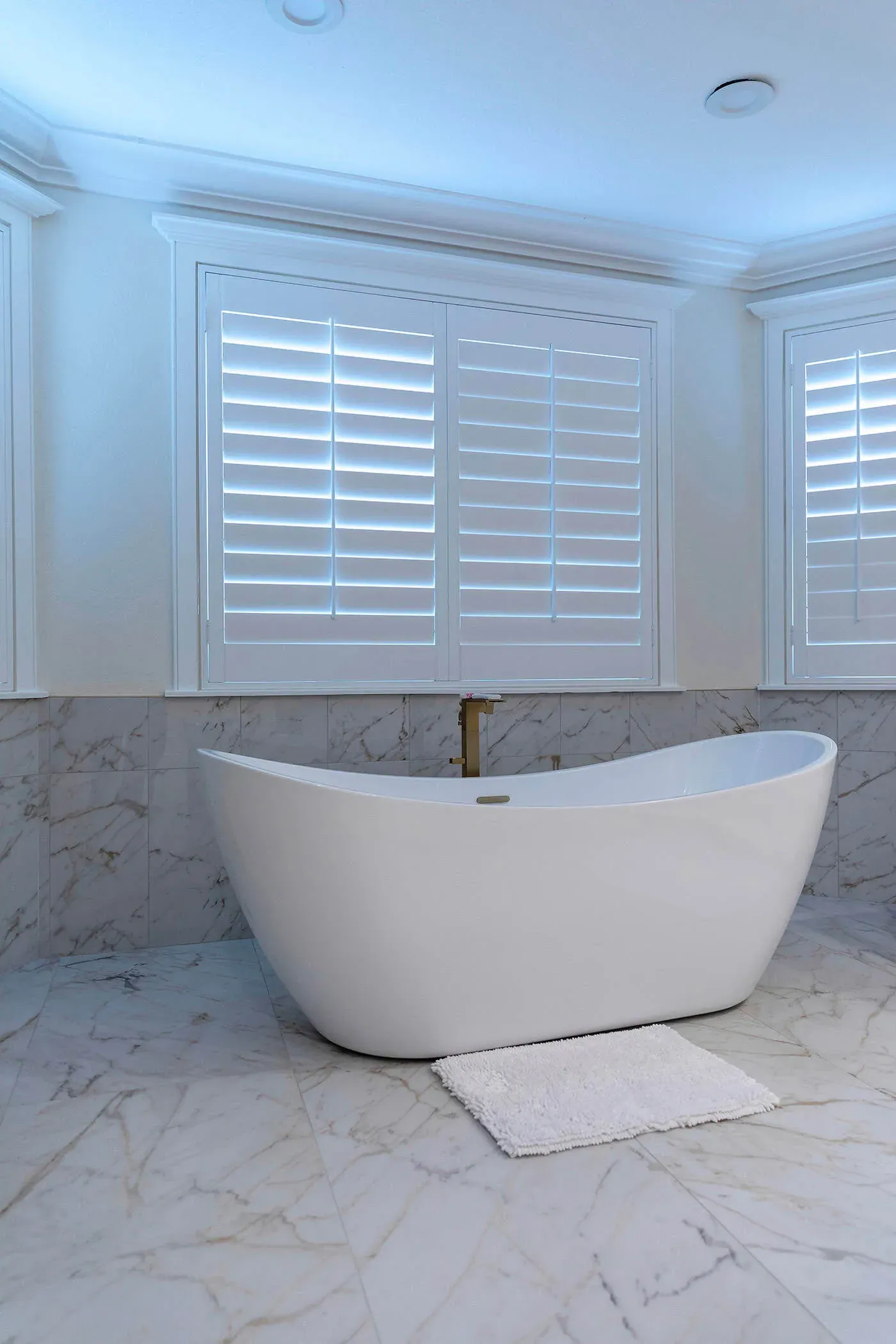
Freestanding tub beneath plantation shutters against a marble wall
Bathroom

Cleaning and daily care

Quartz. Cambria recommends warm water, a soft cotton cloth and mild soap, and lists what to avoid: abrasive or harsh scrub pads, and cleaners such as bleach, oven cleaners and products with pumice. Silestone’s maker suggests neutral soap on a damp microfiber cloth, then wiping off the residue and drying.

Granite. The Natural Stone Institute’s consumer site recommends wiping granite daily with a neutral cleaner made for stone, and advises against dish detergent because it can leave a greasy film that dulls or streaks the surface. It also suggests wiping water from around the faucet so mineral buildup does not form.

On both, use a cutting board. Cambria notes that no stone surface is scratch-proof and that marks show more on its monotone designs, and that edges near sinks and dishwashers can chip if hit.

Looks: designed pattern or natural movement

This is usually what decides it. Quartz gives you a designed look: a soft white, a concrete gray, or a marble-style vein. Cambria, Q Premium by MSI, Silestone, Vadara, Viatera and Nouvel each offer their own range, and you can compare them in one place on our Cambria and Silestone brand pages.

Granite gives you movement and depth that nothing manufactured fully reproduces, and no two slabs are the same. With a figured granite, where the seam falls and how the pattern lines up across an island is a design decision, made at templating, not something to discover at installation.

The edge matters for both. A square eased edge reads modern, an ogee reads traditional, and a mitered apron makes a worktop look substantially thicker than it is.

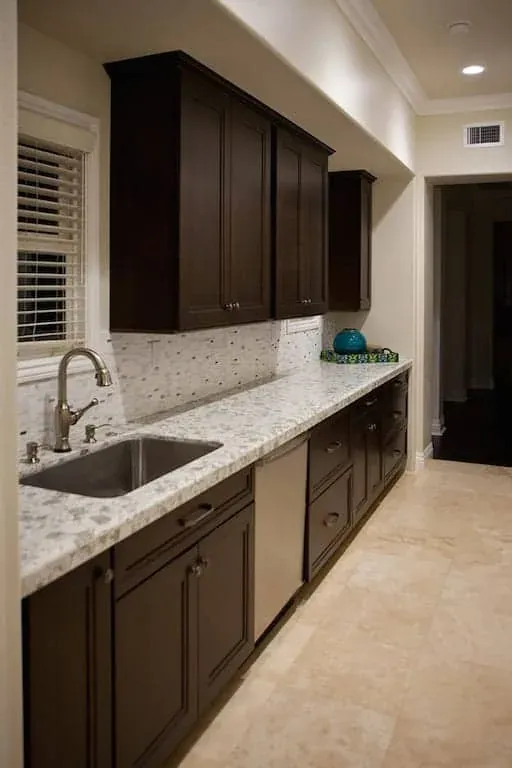
Dark base cabinets with a granite worktop and a mosaic backsplash
Backsplash
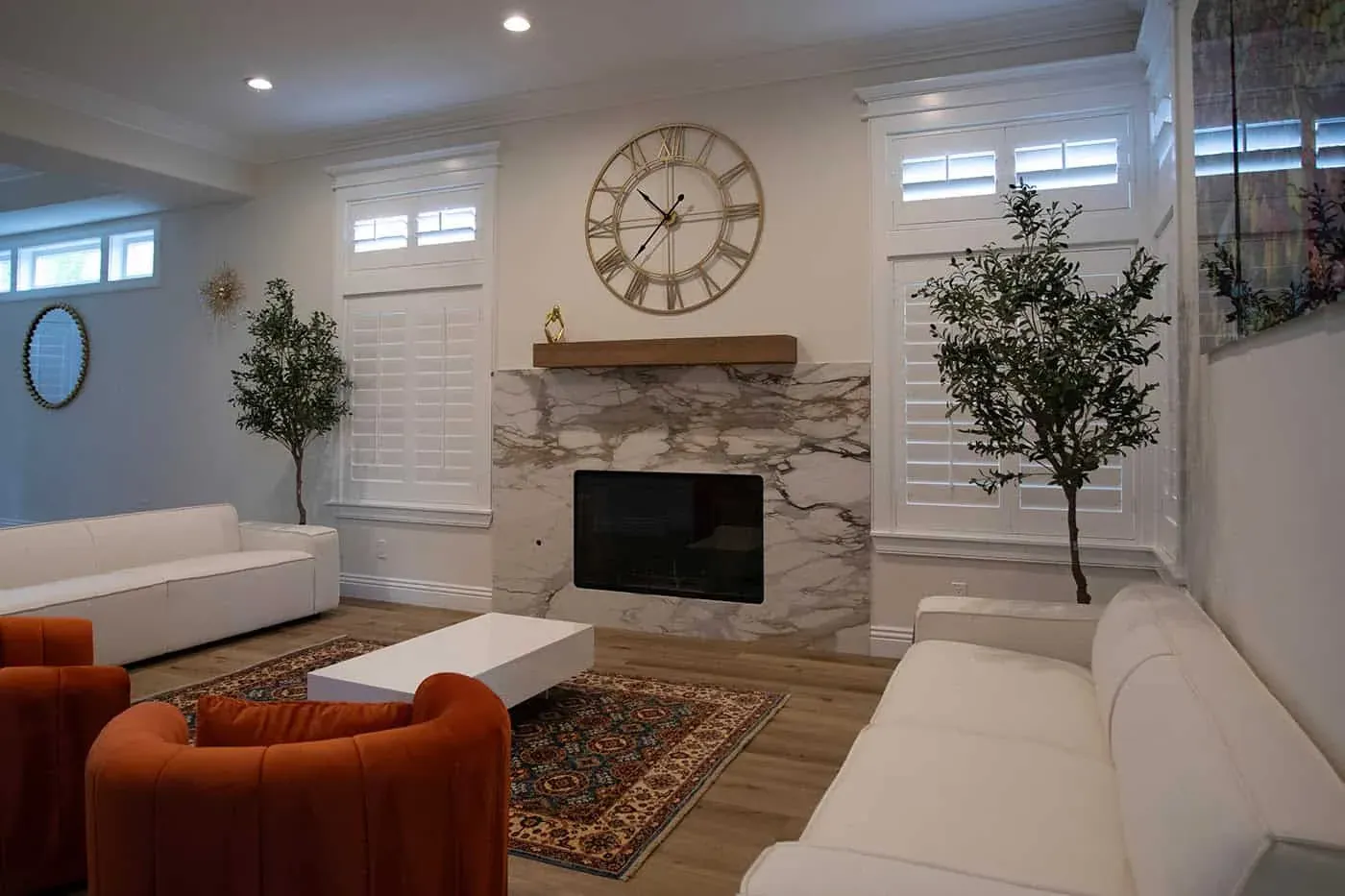
Living room with a marble fireplace, wall clock and orange armchairs
Countertops
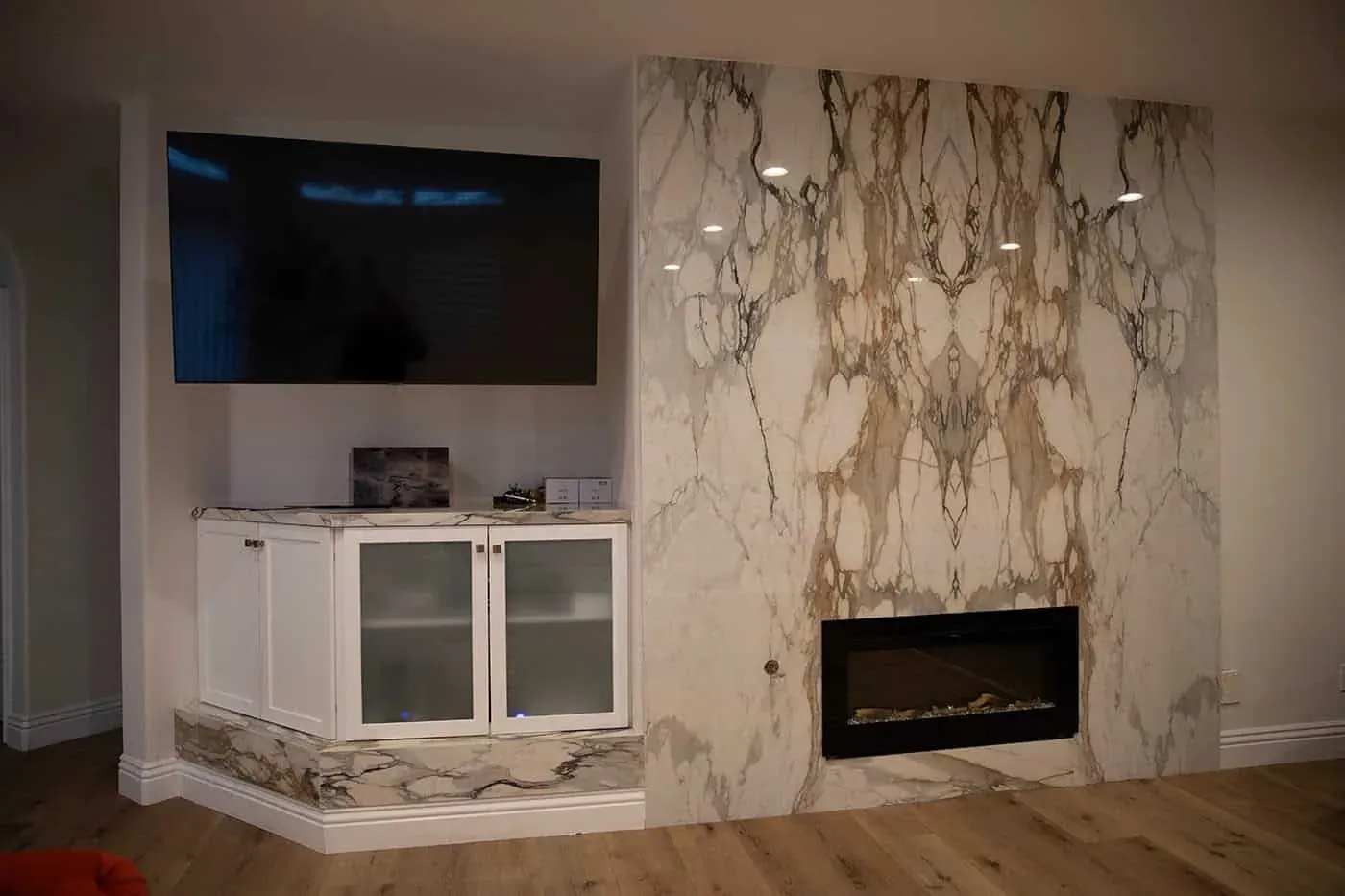
Marble fireplace wall with a television above white glass-front base cabinets
Countertops

What drives the price

We do not publish prices, because a countertop price depends on choices you have not made yet. The things that move it are the same for quartz and granite:

  • the brand and design, or the particular stone and slab;
  • how many slabs the layout needs, and where the seams fall;
  • the edge profile;
  • sink, cooktop and faucet cut-outs;
  • whether the material runs up the wall as a full-height backsplash.

Each of those is a choice made in the showroom and at templating, which is why we price stone from a design rather than over the phone.

So which should you choose?

Choose quartz if you want a consistent, designed look, a surface its makers say never needs sealing, and the easiest daily care. Choose granite if you want a one-of-a-kind natural slab and do not mind a little care. If you are also weighing natural quartzite, which is a different stone again, read our guide to quartz vs. quartzite.

On our countertops projects the order is the same whatever you choose. First you see full slabs in the showroom. Then we template on site after the cabinets are set, lay out seams and cut-outs, fabricate, and our own installation crew installs. Your written proposal carries the real dates. To compare quartz and granite side by side, book a showroom visit or ask for an estimate, and bring a cabinet door or finish sample if you have one.

Dark carved island with a thick cream stone top and an ogee edge
Kitchen island
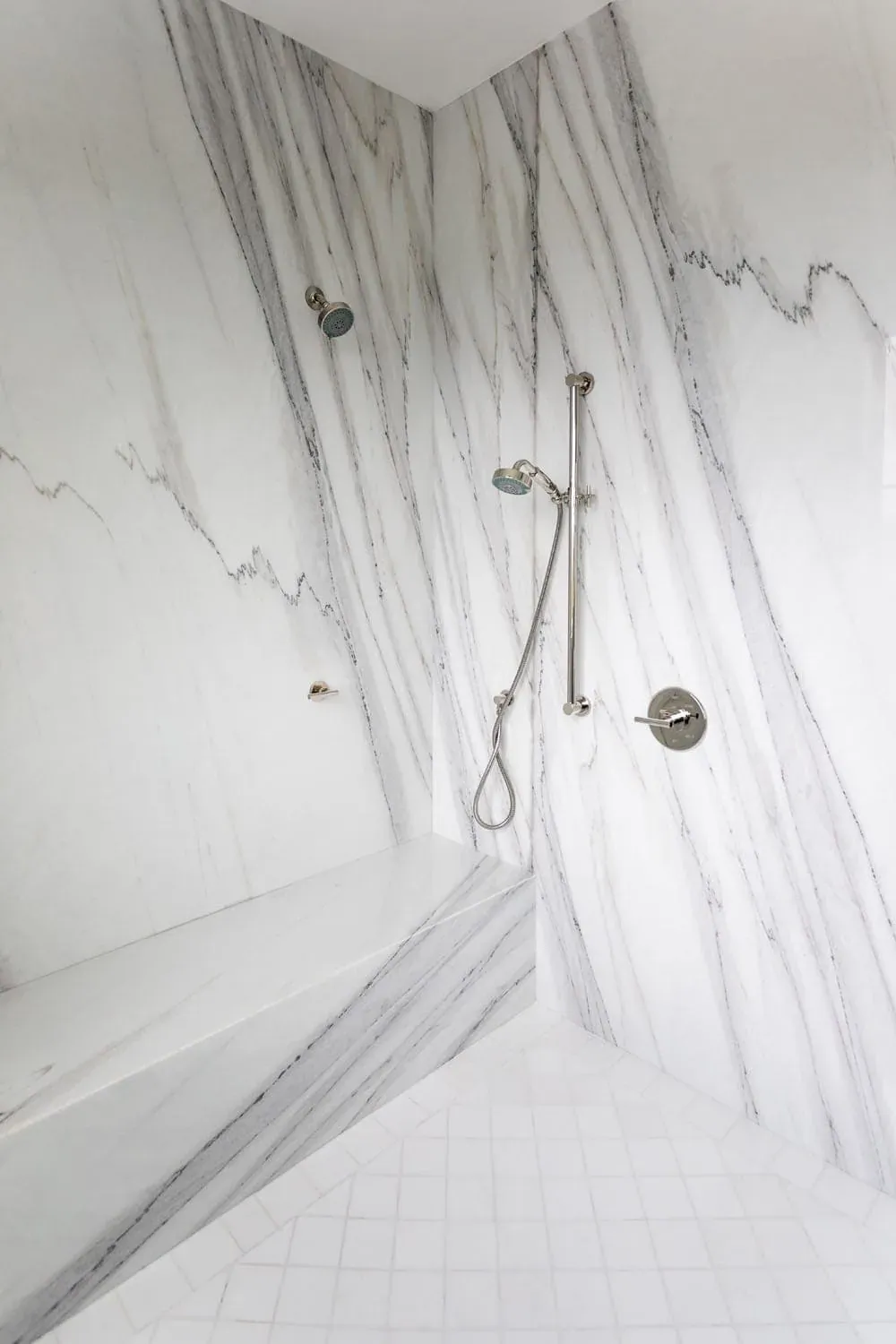
Marble shower wall with a handheld shower and chrome valve
Shower
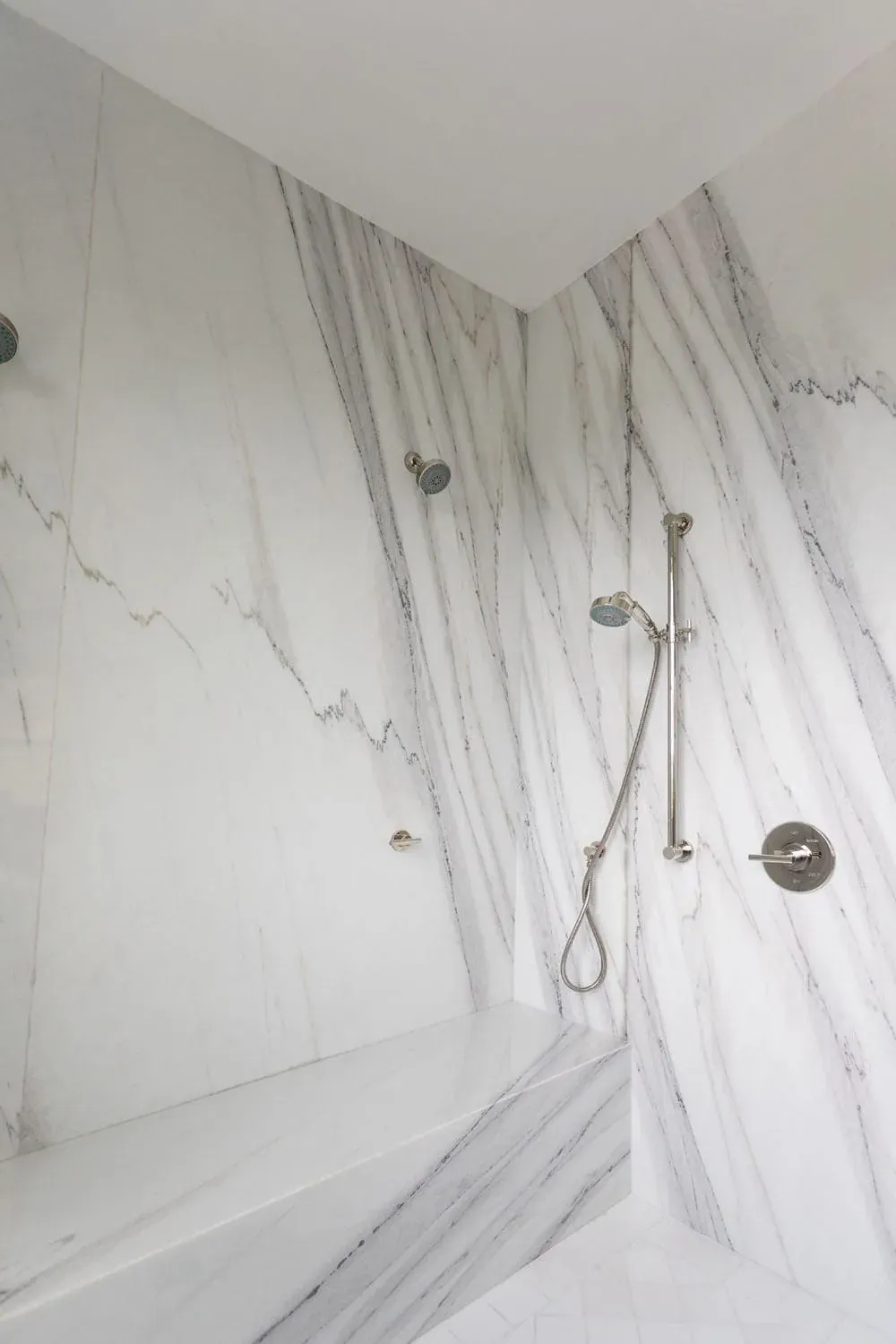
Marble slab shower with a rain head and handheld shower
Shower
Questions

Frequently asked questions

  1. Which is better, quartz or granite countertops?

    Neither is better across the board. Quartz is a manufactured surface that its makers say never needs sealing, which suits a busy family kitchen. Granite is a natural stone with patterns no factory reproduces, and it may benefit from sealing. The right choice depends on how you cook, clean and want the kitchen to look.

  2. Does quartz need to be sealed?

    No. Cambria says its quartz never requires sealing, polishing or reconditioning, and tells owners not to apply any sealers or topical treatments at all. Check the care guide for the brand you choose.

  3. Can you put hot pans on quartz or granite?

    Use a trivet on both. Cambria says its quartz is not heat-proof and recommends a closed-weave hot pad or solid trivet, Silestone highly recommends trivets because sudden temperature changes can affect it, and the Natural Stone Institute's consumer site advises trivets for granite too.

  4. How do you clean granite countertops?

    The Natural Stone Institute's consumer site recommends wiping granite daily with a neutral cleaner made for stone, and advises against dish detergent because it can leave a dulling film. Wipe up spills promptly and dry around the faucet.

  5. How do you clean quartz countertops?

    Cambria recommends warm water, a soft cotton cloth and mild soap if needed, and warns against abrasive pads and harsh chemicals such as bleach and oven cleaners. Silestone recommends neutral soap and a damp microfiber cloth, then wiping and drying.

Have a question about your own kitchen?

4.6 out of 5 stars, 115 Google reviews
  • Showroom hours Mon–Sat 10am–5pm · Sunday by appointment
  • Showroom 2910 E La Palma Ave, Ste B, Anaheim, CA 92806
  • Service area 24 Orange County cities we serve
Keep reading

More countertop and surface ideas from our showroom

View all articles
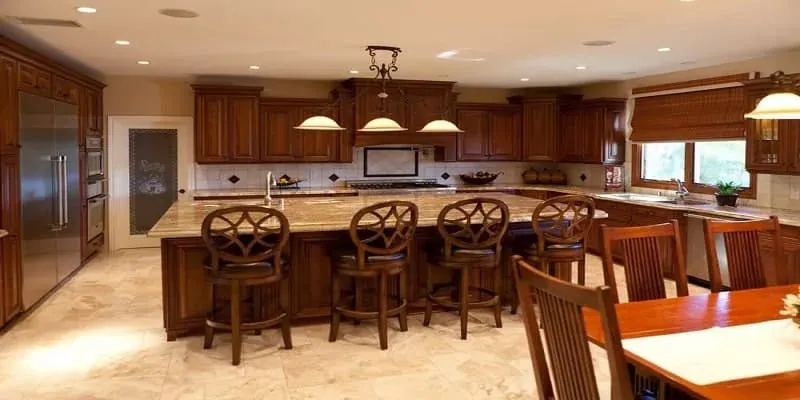
cherry wood kitchen island with star-back bar stools and travertine tile flooring near a wood dining table
Countertops & Surfaces

3 min read

Trends No Longer Popular for Kitchens

When updating your kitchen, there can be lots of options to choose from. Many times, people focus on the latest trends to help them decide on the options to consider without realizing that trends can sometimes stop being popular. This can leave you with an outdated home.

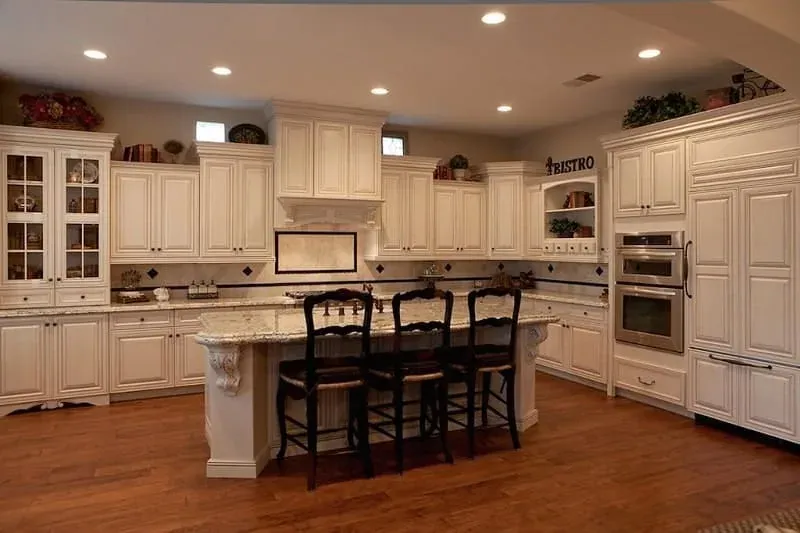
Cream cabinet kitchen with a dark wood island, granite countertops, black bar stools and glass-front upper cabinets
Countertops & Surfaces

3 min read

High-End Kitchen Remodeling

If you are someone who wants to put together a high-end kitchen design, you need to know where to start. Having a kitchen that looks and functions exactly as you want it to can be essential, so there are some things you want to remember when you start planning the kind…

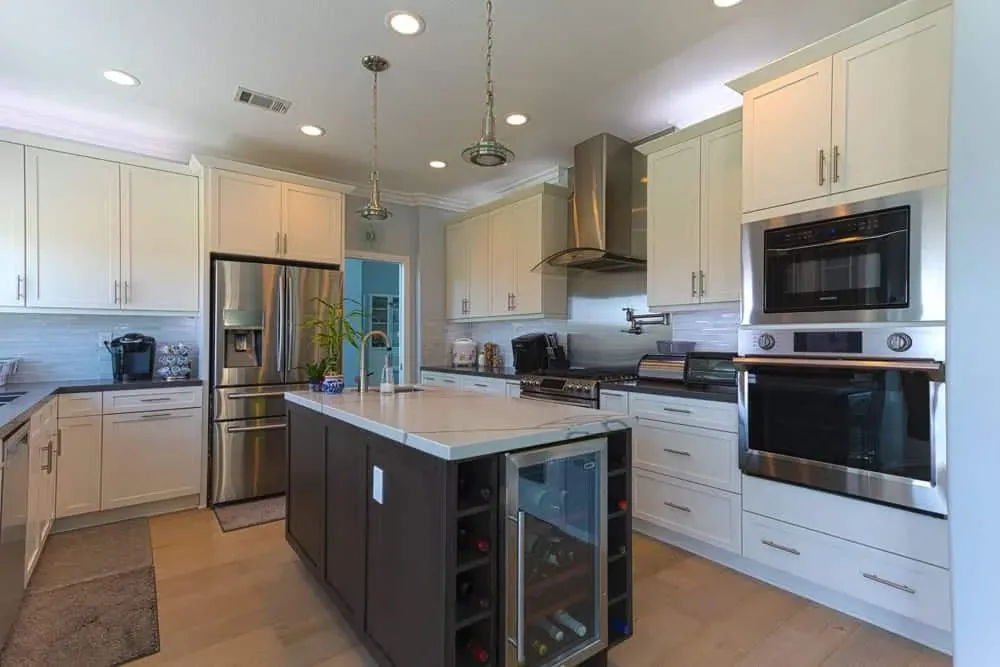
White cabinet kitchen with a dark wood island, built-in wine storage and a stainless wall oven
Countertops & Surfaces

3 min read

The Benefits of Quartz Countertops

When undertaking a kitchen remodeling project, it can be important to know about the options that you have and about what can suit your needs best. One thing that you have to take some time to choose is the countertops.

Call (714) 630-0477