Refacing vs. replacing cabinets: four questions that decide it
1. Are the boxes sound?
Open a door and push on the side of the cabinet. Look under the sink and around the dishwasher, where water does the most damage. A box that is solid, square and dry is a good candidate for refacing. A box with swelling, soft spots, delamination or a lingering musty smell is not, because new doors on a failing box only postpone the replacement.
2. Does the layout work?
Refacing changes surfaces, not positions. If you would keep the sink, range, refrigerator and the run of drawers where they are, refacing can deliver the new kitchen without moving a cabinet. If the list of complaints is about the layout, such as no landing space next to the refrigerator or an island in the wrong place, no new door will solve it.
3. Do the insides work?
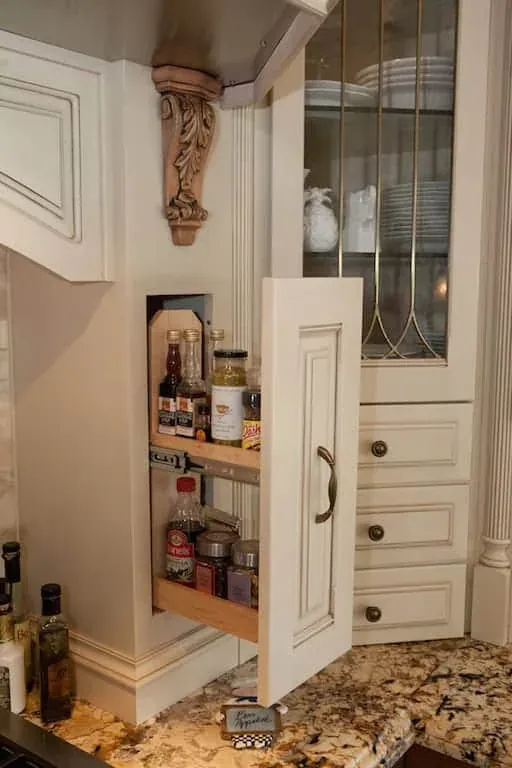
Refacing keeps the cabinet interiors. If your frustrations are deep base cabinets you have to kneel to reach, a corner cabinet you cannot use, or not enough drawers, new cabinets let you fix the storage, not just the look.
4. What else is changing?
If you are already replacing the flooring, moving plumbing, or opening a wall, the kitchen is going to be disrupted anyway and replacing the cabinets at the same time avoids doing the work twice. If the plan is new doors and a new countertop in a kitchen that otherwise works, refacing fits the scope.