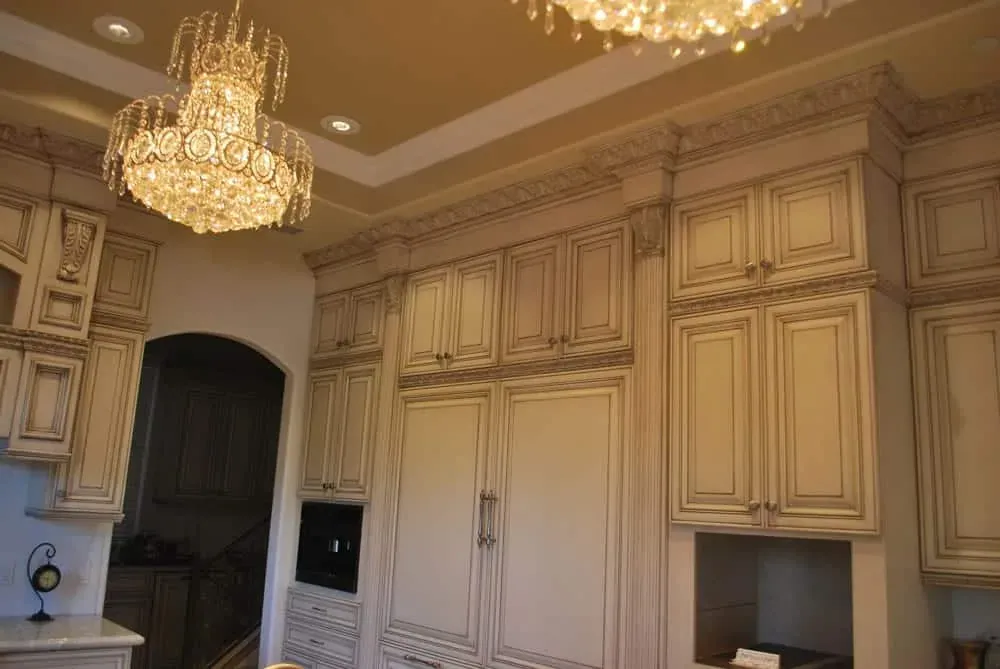
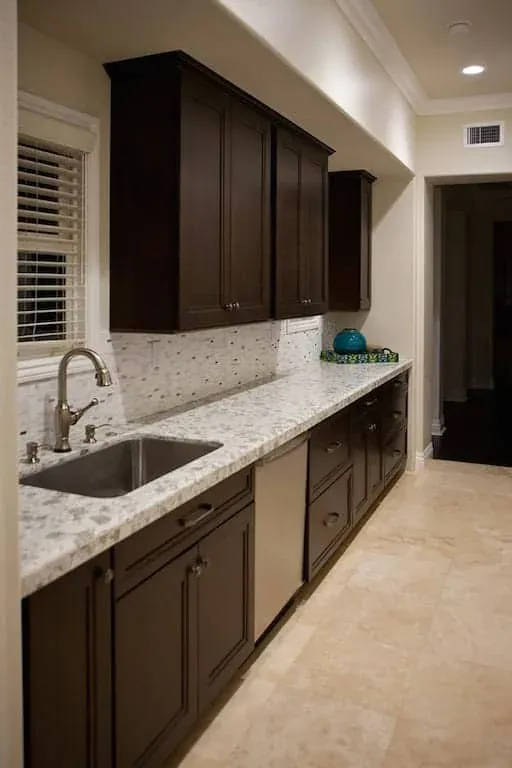
Cabinet Refacing: The Hidden Costs of DIY vs. the Value of Professional Quality
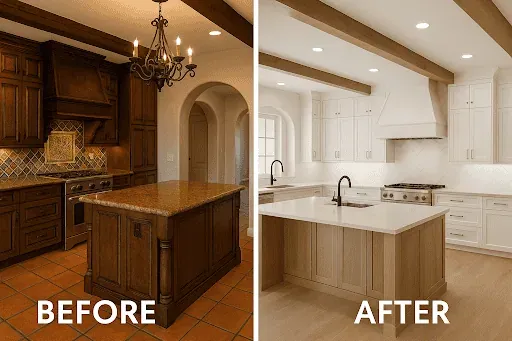
Cabinet refacing offers a compelling alternative to a full replacement, providing a dramatic aesthetic transformation for your kitchen or bathroom without the demolition. It’s a specialized process where new, high-quality veneer is applied to your existing cabinet boxes, and new doors, drawer fronts, and hardware are installed.
However, many homeowners in Orange County contemplating a refresh are tempted by the low upfront cost of a DIY cabinet refacing kit. We’re here to explain why, in the world of custom remodeling, the hands-on approach to refacing is a risk that almost always results in disappointment and long-term cost—and why a professional touch is essential for a beautiful, lasting result.
The Critical Difference in Materials and Hardware
The quality of a cabinet refacing project is defined by what you don’t see in a basic DIY kit.
DIY kits typically supply thin, flexible, heat-bonded vinyl or laminate veneers. These materials struggle to adhere consistently over time, especially in high-moisture zones like near the sink or dishwasher. The result is often peeling, visible seams, and inconsistent color matching with the new doors.
KCB professional refacing: we use furniture-grade wood veneers or high-quality, durable laminates that are professionally pressure-bonded to the cabinet boxes. Crucially, we replace all visible components—doors, drawer fronts, and trim—with custom-made pieces that are perfectly color-matched. Soft-close hinges and full-extension drawer slides are available as part of a refacing job, an upgrade that DIY hardware simply cannot match in terms of quiet operation and longevity; your written proposal lists exactly which hardware is included.
Precision is a Professional Skill, Not a Weekend Project
The largest pitfall of a DIY refacing project is the sheer difficulty of achieving a clean, factory-finish look with no visible joins. Refacing is a game of millimeters.
-
Alignment and Fit: The most complex part of refacing is wrapping the cabinet frames (the stiles and rails) and ensuring every new door and drawer front lines up perfectly. If the veneer is applied crookedly, or if the measurements for the new door overlays are even slightly off, the eye immediately registers the imperfection.
-
The Glue and Cut Challenge: DIY applications often rely on contact cement and utility knives, leading to visible seams, air bubbles under the veneer, and ragged edges. Professionals use specialized tools and commercial-grade adhesives to create a flawless, durable seal that makes the cabinet box look brand new.
-
Corner Detail: Achieving a clean, tight wrap around cabinet corners and moldings requires expertise and specialized tools that are not accessible to the average homeowner. This is where most DIY jobs fail and begin to peel first.
Protecting Your Investment with a Warranty
- DIY = zero warranty: If a DIY refacing job starts to bubble, peel, or warp six months later—a common occurrence in the humid Southern California climate—the only person responsible for fixing it is you. You will incur the cost of replacement materials and labor all over again, often forcing you into a more expensive full replacement sooner than planned.
- Professional assurance: KCB is a licensed California contractor, and warranty terms for the new doors, veneer and hardware come from the cabinet maker, in writing, before you order — so you know what is covered before the work starts, not six months after it.
Ready to update your kitchen cabinets the right way?
Schedule your FREE design consultation to explore high-quality cabinet refacing options and see the difference professional craftsmanship makes.
Thinking of redoing your kitchen?
Let our Anaheim design team help you bring your vision to life.